In a few weeks I’ll be flying to Grande Prairie Alberta to speak to the Alberta Association of Agricultural Fieldmen as part of their in service training. I’ve never been to Grande Prairie, however I’ve always wanted to see Peace River country. With its 20 hours of sunlight in the summer time, it’s a wonderful place to grow canola. So hopefully when I get there, they won’t run me out of town. With canola oil being a direct substitute for soybeans oil, they might find a few words from a life long soybean grower a little tough to take.
Hopefully I’ll have a few tidbits to share, which will bridge the gap between Western and Eastern Canada. Alberta is a booming place. Their agricultural concerns are so different than what we’re used to here in Eastern Canada. However, it may not be as different as it might seem. Maybe I’m in the “oil business” just as much as some of them.
That’s “soybean oil” my friends. No, its not Texas tea or black gold. Nobody has said, “Phil, you had better move to Califor-eee because you’re going to be a millionaire”. However, I’ve got a few soybeans in my pocket this time of the year. With soybean oil futures effectively mirroring the price of oil we’ve got soybean futures off the chart. It would seem as the corn hyped 2007 year is coming to the end, “anything oil” is coming up roses. Whether that is canola oil, sunflower oil, palm oil, soybean oil or plain old Alberta oil, it’s a winner.
Looking back the fog within this “oil market” was a bit hard to see through. You can make an argument that the corn hype was so strong we couldn’t see the forest for the trees. However, maybe its all part of a greater “biofuel” revolution globally. December 2008 corn futures are $4.28 plus. So it’s not like the corn hype was all wrong. However, at the end of the day lower acreage numbers for “bio-oil” among all the major oilseed crops has taken its toll. Add that black gold coming out of the ground into the mix and you have a price mix, which is truly explosive going into 2008.
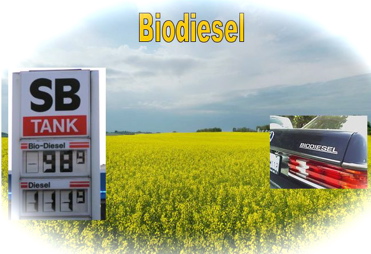
It would seem going into 2008 “oilseed” producers are poised to cash in within the present marketplace but also in the wider developing bio-diesel market. Much of the market action for bio-diesel has been focused on the soybean oil market. In his column “On the Market” this past week my colleague and senior DTN grain analyst wrote this. “The reality of the situation is that a majority of world economies are diesel-based rather than gasoline based, placing more emphasis on the production and/or import of biodiesel as a substitute for traditional heating-oil-based diesel fuel.” Clearly Darin’s words ring true. However sitting up here in Canada, its like we’re in the bio-diesel stone age.
What you say? Well maybe not quite but our European friends are way ahead of us and our American friends are ahead too. However, in Alberta there are several biodiesel plants in the works, some which will be combined with ethanol. Some have large scale American backing and of course there is always some Canadian government money in the mix. Plants in Edson, Fort Saskatchewan and Innisfail are going up. Canola will be the feedstock.
It would seem that Alberta is way ahead of their “oilseed” cousins back in Ontario and Quebec. In eastern Canada canola is a minor oilseed crop compared to soybeans. Clearly in the east, soybeans would be the major feedstock for biodiesel. However, as it stands now, its nowhere compare to the canola eating potential in Alberta.
There might be a whole host of reasons for this. Clearly bio-diesel is in its infancy in Canada. Also too, corn has got a lot of the attention in Eastern Canada for bio-fuel. There is not a lot of corn in Alberta. Most of it is used for grazing or eaten with a bit of salt and butter over a dinner table near Taber. (Commonly called Taber sweet corn) Whatever it is, Eastern Canada needs to get on the bandwagon.
That however may not be so easy. To be successful producing biodiesel on a commercial level one needs turnip wagons full of money. For instance North America’s largest biofuels refinery near Innisfail Alberta will cost $400 million and produce 300 million gallons of ethanol and biodiesel annually. Key is building a plant, which pushes out volume. At the end of the day, it’s the only way to be successful in the biofuel game.
In the meantime for oilseed producers it’s like being a celebrity in the mix compared to being corn’s poor boy over the last year. We even knocked off 9 cents from the loonie this past week. It’s like the sky is falling. Nonetheless let the biodiesel revolution begin. For canola and soybean growers it’s been a long time coming.